
Lifecycle analysis (LCA) is a process by which a product is examined, cradle-to-grave, for its environmental impact.
When it comes to environmental impacts, LCAs demonstrate that XPS stacks up as a sustainable material.
- The use of XPS—especially in insulating sheathing—reduces the amount of energy (gas, oil or electric) required to maintain a comfortable living temperature, which in turn has direct impact on total building energy use and reduces the consumption of natural resources.
- Notably, the thermal insulating properties of XPS provide both energy efficiency and environmental benefits. This is because far more energy is saved over time than is consumed by manufacturing process. XPS reduces greenhouse gases by minimizing the effects from harmful air emissions resulting from the production and/or consumption of energy.
- XPS is manufactured from polystyrene resin, which is a thermoplastic material. This means that it can be melted and re-inserted into the manufacturing process to produce new XPS insulation. In fact, XPS manufacturing plants create virtually no ‘scrap’ or waste material. This is because essentially 100% of industrial waste XPS boards are recovered, ground-up, re-pelletized back into the polystyrene resin material, and reused in the XPS manufacturing process.
- In addition, post-consumer XPS insulation boards can be reused in many commercial applications—especially reroofing. For more information on reroofing, click here.
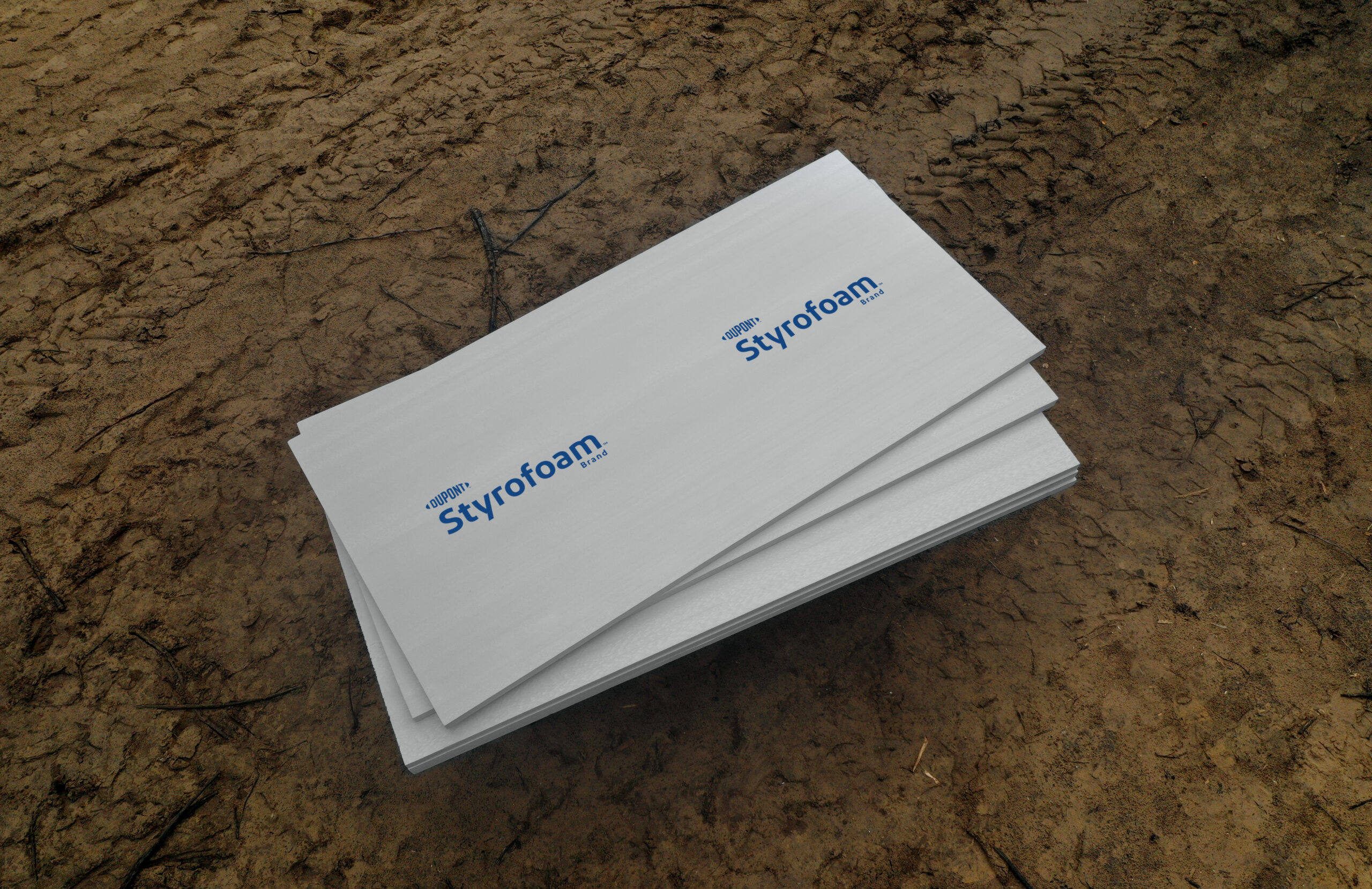
(It should be noted that while post-consumer recycled polystyrene can be used in the XPS manufacturing process, the collection infrastructure for such recycling efforts in the U.S. currently does not exist to support recycling in all areas of the country. Past initiatives made by the XPS industry to collect polystyrene food trays and recycle them into post-consumer XPS insulation boards were not always successful because they were not economically-feasible, but such recycling programs are being developed for use in the future).
For more information about XPS foam insulation and LCA, we invite you to explore the links below:
Insulating Sheathing Analysis (PDF)
Energy and Environmental Benefits (PDF)
Societal and Environmental Benefits of XPS (PDF)
Carbon Dioxide Emissions and XPS Insulation (PDF)